Manual vs Electric Toothbrush: How to Choose the Right One
Clinically reviewed by Dr. Abinaash Kaur, DDS, RCDSO, on 2026-07-02. Dr. Kaur is a general dentist in Toronto (Bloor West Village) registered with the Royal College of Dental Surgeons of Ontario.
Both manual and electric toothbrushes clean well when you use them properly. Electric brushes remove a bit more plaque in studies, so I recommend them for most patients. Whatever you pick, choose soft bristles and a small head, and replace the brush about every three months. Technique matters more than the price tag.
The toothbrush aisle has gotten out of hand. Fifty options, glowing boxes, one model that costs more than a nice dinner. Patients ask me about this all the time at The Village Dentist on Annette Street. In about 25 years of practice, my answer has stayed boring: soft bristles, small head, used well, replaced often.
Let me walk you through each decision, in the order I'd make them.
Manual or Electric: Which One Cleans Better?
Do you need to spend real money on an electric brush? Short answer: electric has an edge, but a well-used manual brush is still a good brush.
Here's what the research shows. A Cochrane review that pooled 51 clinical trials with 4,624 people found powered toothbrushes reduced plaque 11% more than manual brushing at one to three months, and 21% more after three months. Gingivitis improved too: 6% more in the short term and 11% more long term. The strongest evidence was for rotation-oscillation brushes, the small round heads that spin back and forth.
The American Dental Association's position is that both manual and powered brushes remove plaque effectively. They add that powered brushes can help people with limited dexterity or braces.
My take, after watching thousands of patients: buy the brush you will use for two full minutes, twice a day. For most people, that's the electric one. The built-in timer does the counting and the head does the scrubbing. If you have arthritis, a sore shoulder, or a kid who rushes, an electric brush earns its keep fast.
If you love your manual brush and your checkups look clean, have no fear. Keep it.
Do Hard Bristles Clean Better Than Soft?
Most people think firmer bristles mean a deeper clean. Here's what happens instead: hard bristles wear away gum tissue and enamel, and neither one grows back.
Soft bristles flex. They slip under the gumline and between teeth, which is where plaque hides. Hard bristles skate over those spots while scraping the surfaces they do reach. The ADA recommends soft bristles because they lower the risk of gum abrasion. The Canadian Dental Association says the same: use a soft brush with rounded bristles.
In my chair, I can spot a hard-bristle scrubber before they say a word. Receded gums, worn notches near the gumline, and a wince when the water spray hits. If cold drinks make you flinch, our post on tooth sensitivity explains what's going on. Gums that bleed when you clean them are a different story, and we cover that in when you floss every day but your gums still bleed.
So: soft. Not medium. Soft.
Does the Size of the Toothbrush Head Matter?
Pretty much, yes. A smaller head is one of the most underrated features on the shelf.
The job of a toothbrush is to reach every surface, including the back of your last molar. A compact head, about the length of two molars, can turn and reach those back corners without stretching your cheek or making you gag. A big paddle-shaped head cleans the easy front surfaces and misses the tight spots.
Choose a head that feels almost too small. Your back teeth will thank you. The handle is personal preference, so pick whatever grips comfortably in your hand.
How Often Should You Replace Your Toothbrush?
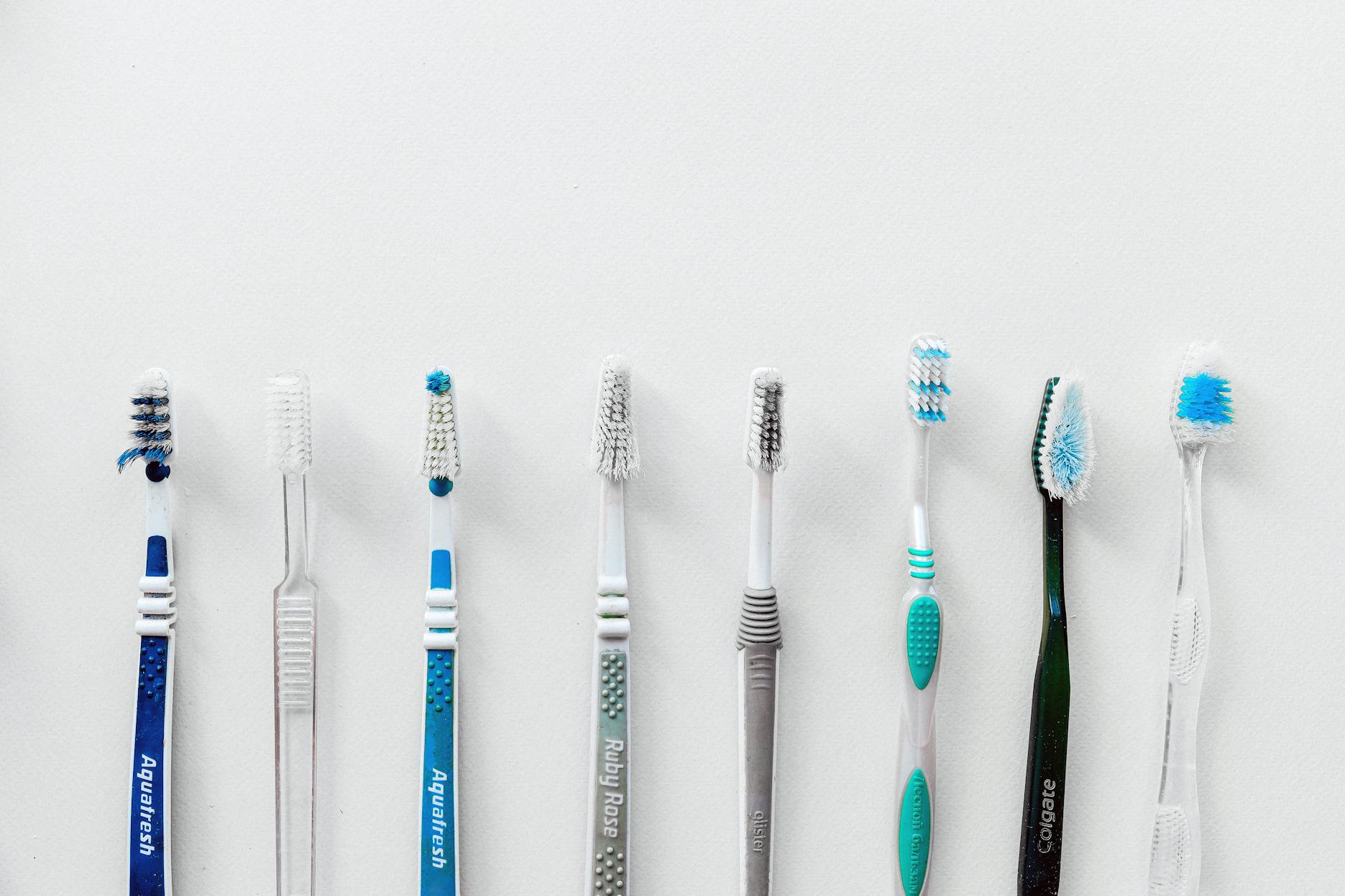
Did you know about this? Your brush has an expiry date. The CDA recommends replacing your toothbrush every 3 months, and the ADA says every 3 to 4 months, or sooner if the bristles look matted or frayed. Frayed bristles have lost their shape, so they can't reach under the gumline the way new ones do.
Electric brush owners, this applies to you too. The heads wear out on the same schedule as a manual brush.
I'd also swap your brush after a nasty cold or flu. Brushes are cheap. Feeling sick twice is not.
Last month a patient pulled her toothbrush out of her bag mid-appointment so I could inspect it. The bristles were splayed flat, like a tiny broom that had lost a fight. We laughed, then we replaced it. Bring yours in any time; I mean that.
An easy rhythm: new brush every season, and professional cleanings on the schedule we set together. If you're not sure how often that should be, read what's the magic dental cleaning interval.
Is Your Technique Doing the Work?
Wait? Is there a right way to hold a toothbrush? There is, and most of us were never taught it.
Here's the CDA's technique guidance: hold the brush at a 45 degree angle to your teeth, aim the bristles where your gums and teeth meet, and use a gentle circular massaging motion. The CDA says a thorough brushing takes two to three minutes. Most people quit well before that, which is why timers help.
The classic mistake is sawing hard, side to side, across the middle of the tooth. That motion misses the gumline, where gum disease starts, and grinds away enamel where the tooth is most exposed.
One more thing your brush cannot do: clean between your teeth. That job belongs to floss or a water flosser. If you're not sure flossing is worth it, start with floss or toss, then see how water flossers compare to string floss.
What About Kids' Toothbrushes?
Are you buying your child a brush based on the cartoon on the handle? Fair enough, whatever gets them excited. Just check two things first: soft bristles and a head sized for a small mouth.
The CDA's guidance for children is clear. Children under 3 should have their teeth brushed by an adult, using a smear of fluoride toothpaste the size of a grain of rice. From ages 3 to 6, a green-pea amount of toothpaste, with an adult helping. My favourite part of their advice: when your child can write (not print) their name, their hands are coordinated enough to brush alone, with you spot-checking.
I've watched kids from Baby Point Gates grow from squirming toddlers in the chair to teenagers who brush better than their parents. Start the habits early and they stick.
Are Expensive Toothbrushes Worth the Money?
Here's the myth-bust I give patients weekly: most people think a top-end electric brush cleans in a way a basic one can't. It doesn't. Past a working motor, soft bristles, and a two minute timer, you're mostly paying for comfort features.
Bluetooth apps, five cleaning modes, sleek charging cases: nice, optional. The one upgrade I do rate is a pressure sensor. If you're a scrubber, a brush that lights up when you push too hard can retrain you faster than I can.
Shopping for any brush, powered or manual? Look for the ADA Seal of Acceptance, which a product earns by proving safety and effectiveness to the ADA's scientific council. A basic soft-bristled brush used well beats a deluxe brush used badly. Every time.
Frequently Asked Questions
Q: Is an electric toothbrush better than a manual one?
A little, yes. A Cochrane review of clinical trials found powered brushes reduced plaque 11% more than manual brushing at one to three months and 21% more after three months. A manual brush used properly for two minutes, twice a day, is still effective. The best brush is the one you'll use consistently.
Q: What bristle firmness should my toothbrush have?
Soft, always. Both the ADA and the CDA recommend soft bristles because hard ones can abrade gum tissue and wear enamel. Soft bristles flex under the gumline where plaque hides, so you lose nothing in cleaning power.
Q: How often should I replace my toothbrush or electric brush head?
The CDA says every 3 months and the ADA says every 3 to 4 months, or sooner if the bristles look frayed. Electric brush heads wear out on the same schedule. Replacing it after a cold or flu is a sensible habit too.
Q: How long should I brush my teeth?
The ADA's consensus recommendation is two minutes, twice a day, with a soft-bristled brush. The CDA suggests a thorough brushing takes two to three minutes. Most people who guess are stopping well short of that, so use a timer or an electric brush with one built in.
Q: What is the correct brushing technique?
Hold the brush at a 45 degree angle to your teeth, point the bristles at the line where gums meet teeth, and use gentle circular strokes. Avoid hard side-to-side scrubbing, which misses the gumline and wears enamel. Cover every surface: outside, inside, and chewing surfaces.
Q: When can my child brush their own teeth?
The CDA's rule of thumb: when a child can write (not print) their name, they have the coordination to brush on their own, with an adult checking the result. Before age 3, an adult should do the brushing with a rice-grain smear of fluoride toothpaste. From 3 to 6, use a pea-sized amount and help them.
Q: Do I need an expensive electric toothbrush?
No. The benefits in the research come from the powered brush head and consistent two minute use, not from apps or extra modes. A pressure sensor is worth having if you tend to scrub hard. Beyond that, a basic model with the ADA Seal of Acceptance does the job.
Q: Can the wrong toothbrush cause sensitive teeth?
It can contribute. Hard bristles and aggressive scrubbing wear enamel and push gums back, exposing the softer root surface that reacts to cold and sweet. Switching to a soft brush and lighter pressure helps, but existing sensitivity is worth an exam so we can rule out other causes.
Not Sure Which Brush Is Right for You?
Bring your toothbrush to your next visit. I'll look at the wear, watch your technique, and suggest something that fits your mouth and your habits, not the marketing. Book your appointment at The Village Dentist in Bloor West Village or call us at (416) 760-0404.
Dr. Abinaash Kaur, B.Sc., DDS (University of Toronto Faculty of Dentistry), has practised at The Village Dentist in Bloor West Village for about 25 years. This post is for general information only. For advice specific to your situation, please book an appointment with us.
Related reading: a dentist's view on viral tooth hacks · the early signs of gum disease
