Brushing Every Day and Still Have Yellow Teeth? What Gives
Clinically reviewed by Dr. Abinaash Kaur, DDS, RCDSO, on 2026-07-02. Dr. Kaur is a general dentist in Toronto (Bloor West Village) registered with the Royal College of Dental Surgeons of Ontario.
Brushing every day and still seeing yellow teeth? That is common, and it is usually not your brushing. Yellow can come from thinning enamel showing the dentin underneath, stains deep inside the tooth, or pigments from coffee, tea, and wine. Some yellow is healthy. When it bothers you, there are safe ways to whiten.
This question built my TikTok page. My most-watched video ever asks this exact thing: brushing daily and still have yellow teeth? What gives. I hear it in the chair on Annette Street too, usually from someone convinced they are doing something wrong.
You are probably not. Let's walk through where the yellow comes from, what you can change, what you can't, and how to whiten without wrecking your enamel.
Why Are Your Teeth Still Yellow When You Brush Every Day?
Most people think yellow teeth mean dirty teeth. Here's what actually happens: brushing removes plaque, food debris, and some fresh surface stain. It cannot change the colour that sits inside your enamel or underneath it.
Dentists sort tooth discolouration into two types, and the difference decides what will fix it.
Extrinsic stains sit on the outside of your enamel. They come from pigmented foods and drinks, tobacco, and even some metal salts like iron, according to the American Dental Association. Cleanings, polishing, and whitening handle these well.
Intrinsic stains live inside the tooth, in the dentin. The same ADA review notes that removing stains within the dentin from the outside is considered near impossible. No toothpaste on earth will fix these. They need bleach that penetrates the tooth, or a cover like bonding or a veneer.
So the first job is figuring out which type you have. That takes a couple of minutes in the chair.
Is Some Yellow Just Healthy and Normal?
Did you know about this? Nobody's teeth are naturally paper white. Enamel, the hard outer layer, is slightly translucent. Under it sits dentin, which is naturally yellow.
Enamel also thins as you age. The ADA's patient site explains that the outer enamel layer gets thinner with brushing over time, so more of the yellowish dentin shows through. That is not disease. That is mileage.
In 25 years of practice in Bloor West Village, I have seen plenty of strong, healthy mouths with a warm ivory tone. A slightly yellow smile with intact enamel is often in better shape than a bright white one that has been scrubbed or bleached into sensitivity. If your teeth are yellow but your checkups are clean, you may not need to fix anything at all.
Which Foods, Drinks, and Habits Stain the Most?
Are your favourite drinks working against you? Coffee, tea, and red wine are the big offenders. They carry intense colour pigments called chromogens that attach to your enamel. Dark colas and dark juices do the same, especially if you sip them across the whole day.
Smoking is worse. Tar is naturally dark, and nicotine turns into a yellowish staining substance once it mixes with oxygen. That stain builds fast and clings hard. Quitting helps your tooth colour, your gums, and everything else.
Two small habits blunt the damage. Use a straw with dark drinks so less liquid washes over your front teeth. Rinse with water afterward to clear pigments and acid. Neither is perfect. Both help.
What About Stains That Start Inside the Tooth?
What if the yellow was set long before you ever picked up a toothbrush? Some of it was.
Fluorosis. Fluorosis is a change in how tooth enamel looks, caused by getting too much fluoride while the teeth are still forming. The CDC notes it shows up as white flecks, spots, or lines, and only young children can develop it, since enamel is fully formed by about age 8. If you have it, it is cosmetic, not a health problem.
Tetracycline. Antibiotics like tetracycline taken while teeth are developing can cause discolouration, often grey or banded rather than yellow. Regular whitening struggles with these stains.
A knocked tooth. A tooth that took a hit can darken because it lays down more dentin in response to the injury. One dark tooth in an otherwise normal smile is often this.
These are the intrinsic stains I mentioned earlier. Have no fear, we still have options. They are just different options.
What Are the Safe Ways to Whiten Yellow Teeth?
Want the honest rundown, from strongest to gentlest? Here it is.
In-office whitening. We protect your gums with a barrier, then apply a professional-strength peroxide gel. Most in-office bleaching happens in a single visit. Fastest results, most control, and the best choice if you have sensitive spots we need to work around.
Take-home trays from your dentist. We make custom trays that hold the bleach evenly against your teeth. The Canadian Dental Association describes this as wearing a custom-made mouthguard filled with a special bleach for part of each day, usually over a few weeks. Slower and gentler, and the results are excellent. The CDA's position is that bleaching should be done only under a dentist's care.
Whitening toothpaste. It has a job, but a small one. Surface whiteners rely on abrasives, and the CDA is clear that their effectiveness is limited to surface stains. They will not change the colour of the tooth itself. If a paste promises a dramatic shade change, be skeptical.
What about sensitivity? The ADA reports that mild to moderate tooth sensitivity can occur in up to two-thirds of whitening users, and it usually resolves by the fourth day after treatment. It is temporary, and we manage it with timing and desensitizing gel. If your teeth are already touchy, read my post on what causes tooth sensitivity first, then come talk to me.
For stains bleach cannot reach, like tetracycline banding or a tooth that darkened after a root canal, we look at internal bleaching, bonding, or veneers. Bonding covers discolouration with a tooth-coloured composite, and I explain how it works in my post on Invisalign and composite bonding.
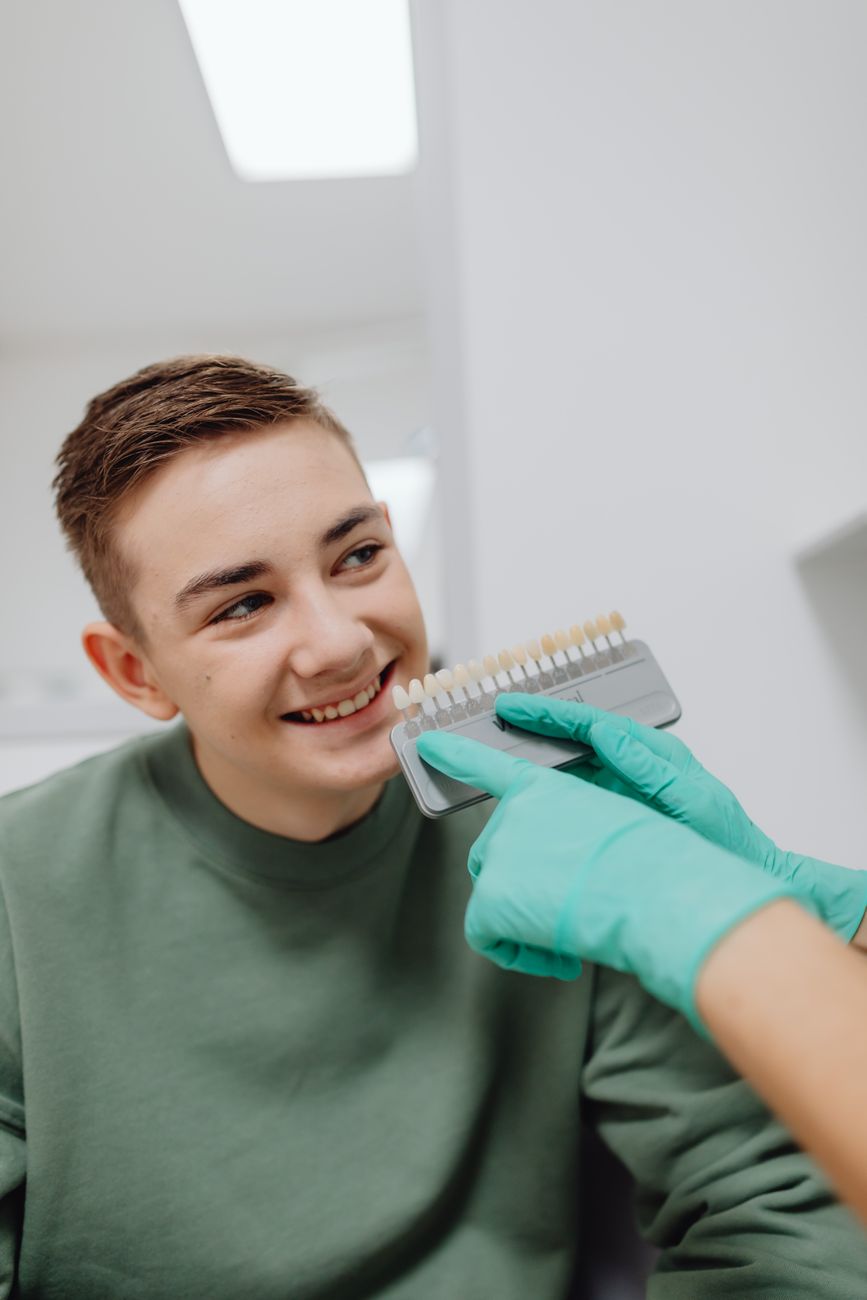
A quick note from the chair: shade-matching is a real step, not a sales pitch. We hold a shade guide against your teeth in natural light, before and after. Some days the schedule pushes me, and we still take that minute, because guessing leads to over-bleaching.
Cost depends on which option fits you, so we go through the numbers together in the office before anything starts. No surprises.
Should You Try the Viral Whitening Hacks?
Please don't. I made a whole TikTok about this one too, because the hacks kept showing up in my chair.
Most people think a natural hack is automatically a safe hack. Here's what happens with the popular ones:
- Lemon juice or apple cider vinegar. Fruit acid and vinegar wear away enamel. Enamel does not grow back. Thinner enamel shows more yellow dentin, so the hack hands you the exact problem you were fighting.
- Scrubbing with raw baking soda. Aggressive abrasion can strip enamel the same way. Baking soda inside a properly formulated toothpaste is fine. A raw scrub is not.
- Charcoal toothpaste. There is no evidence that dental products with charcoal are safe or effective.
- Oil pulling and turmeric. There is no reliable scientific evidence that either one whitens teeth.
What Can You Do at Home Starting Today?
Try this:
- Brush twice a day, gently, with a soft brush. Hard scrubbing thins enamel instead of whitening it. My toothbrushes 101 post covers picking the right brush and using it well.
- Use a straw for coffee, iced tea, cola, and dark juice.
- Rinse with water after staining food and drink.
- Pick a whitening toothpaste with a recognized seal of approval, and expect modest results on surface stains only.
- Quit smoking, or ask us for help quitting. It is the biggest stain source I see.
- Keep your cleanings. A professional polish removes months of surface stain in one appointment, no bleach involved.
Frequently Asked Questions
Q: Why are my teeth yellow when I brush every day?
Brushing removes plaque and fresh surface stain, but it cannot change your tooth's built-in colour. Enamel thins with age and lets the naturally yellow dentin underneath show through, while pigments from coffee, tea, wine, and smoking settle in over time. Stains deep inside the tooth do not respond to brushing at all.
Q: Are yellow teeth unhealthy?
Not on their own. Dentin is naturally yellow and enamel is slightly translucent, so a warm tone can be part of a healthy mouth. Yellowing matters when it shows up alongside erosion, decay, or gum trouble, which is what we screen for at your exam.
Q: Does whitening toothpaste work?
Only on surface stains. Whitening pastes use mild abrasives to polish stain off the enamel, and they will not lighten the tooth's own colour. For a real shade change you need a peroxide-based bleach, ideally supervised by a dentist.
Q: Is professional whitening safe for my enamel?
Yes, when done properly. Professional systems use protective barriers, controlled peroxide concentrations, and set treatment times. The most common side effect is temporary sensitivity, which usually settles within a few days of treatment.
Q: Why did my teeth get more yellow as I got older?
Your enamel has worn thinner over decades of brushing and chewing, so more of the yellow dentin underneath shows through. Old fillings, slow stain buildup, and past habits add to the shade. Age-related yellowing responds well to professional whitening.
Q: Can whitening fix grey stains from antibiotics or a dead tooth?
Standard whitening often struggles with tetracycline banding and single dark teeth. A tooth that darkened after a root canal can be bleached from the inside, and stubborn internal stains can be covered with bonding or veneers. An exam tells us which route fits your tooth.
Q: Does baking soda or charcoal whiten teeth?
Baking soda in a properly formulated toothpaste can help lift surface stain, but scrubbing with raw baking soda risks wearing your enamel. Charcoal products have no evidence behind them for safety or effectiveness. Neither one changes the colour inside the tooth.
Q: How do I keep my teeth white after whitening?
Cut back on staining drinks or use a straw, rinse with water after coffee or wine, skip tobacco, and keep up regular cleanings. Whitening fades gradually depending on habits. Most patients do a short touch-up with their take-home trays once the shade drifts.
Ready to Brighten Things Up?
Book a visit and we will figure out what is behind your shade, then pick the safest way forward. Call us at (416) 760-0404 or book online at The Village Dentist on Annette Street in Bloor West Village.
Dr. Abinaash Kaur, B.Sc., DDS (University of Toronto Faculty of Dentistry), has practised at The Village Dentist in Bloor West Village for about 25 years. This post is for general information only. For advice specific to your situation, please book an appointment with us.
Related reading: how bonding finishes an Invisalign case · the TikTok teeth filing trend, from a dentist · TikTok dental trends worth avoiding
