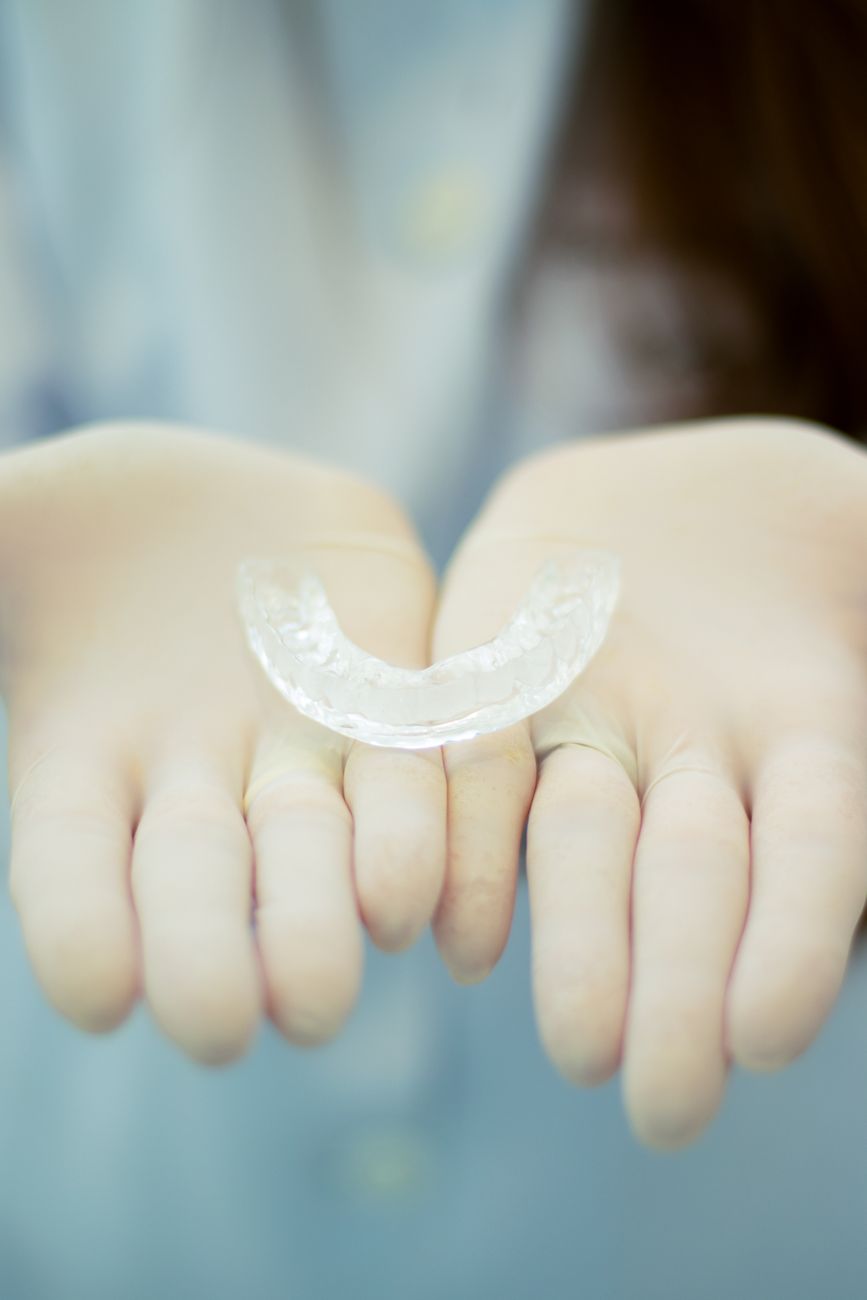
Retainers After Invisalign: Types, Cost & Wear Time
Clinically reviewed by Dr. Abinaash Kaur, DDS, RCDSO, on 2026-07-08. Dr. Kaur is a general dentist in Toronto (Bloor West Village) registered with the Royal College of Dental Surgeons of Ontario.
A retainer after Invisalign in Toronto usually runs about $150 to $1,000 depending on the type, and yes, you do need one. That's a ballpark, not a set price, and it's the range I see across Toronto offices. Here's the part people don't want to hear: teeth drift back toward their old spots after any orthodontic treatment, so the retainer isn't optional. It's the step that protects everything Invisalign just did. I've practised in Bloor West Village for about 25 years, and the saddest cases I see are lovely results that slipped because the retainer sat in a drawer.
Why do you even need a retainer after Invisalign?
Your teeth are finally straight, so they're set now, right? Not exactly. This is the myth I bust most often at the office.
Relapse is the slow drift of teeth back toward where they started. It happens because the fibres and bone around each tooth need time to settle into the new position, and the soft tissues keep pushing. The American Association of Orthodontists puts it plainly: retainers "keep your teeth straight and minimize relapse," and they're "crucial for supporting the bone around your teeth as they adapt to their new positions" (AAO). So the aligners move the teeth, and the retainer holds them while your mouth catches up.
How much can teeth move without retention? A study comparing retention methods measured average front-tooth relapse of 1.0 mm with one removable option and 0.2 mm with a bonded retainer over six months (PMC). A millimetre sounds tiny. On your front teeth, it's the difference between the smile you paid for and a crooked reminder of it. If you want the full picture of the treatment that got you here, our Invisalign timeline guide walks through the phases before retention.
The four retainer types (and what each one does)
Which retainer is right for you? It depends on your bite, your habits, and how much you trust yourself to wear a removable one. Here are the four you'll be offered.
Clear retainers (Vivera and Essix)
A clear retainer is a see-through plastic tray moulded to fit over your teeth. It looks like an Invisalign aligner, so it feels familiar after treatment. It works by holding the whole arch in place, and most Invisalign patients go this route because the fit is snug and nobody can see it.
Vivera is the Invisalign brand of clear retainer, usually sold as a set of several. Essix is the generic term for the same style of tray. Both do the same job. The plastic wears down over a year or two, which is why they come in sets.
Hawley retainers
A Hawley retainer is the classic one: an acrylic plate that sits against the roof of your mouth with a metal wire across the front teeth. The AAO describes it as "a combination of acrylic or hard plastic and a metal wire" (AAO). It's adjustable and tough, and it can last years. The trade-off is that you can see the wire, and some people find it bulkier to talk around at first.
Bonded (fixed) retainers
A bonded retainer is a thin wire glued to the tongue-side of your front teeth, so it stays put around the clock. The AAO calls it "a custom-fitted slender wire cemented or bonded to the inner side of either the upper or lower teeth" (AAO). You can't forget to wear it because it never comes out. In that same six-month study, the bonded retainer had the least drift of any option, 0.2 mm at the front and 0.1 mm at the back (PMC). The catch is flossing takes more effort, and if the wire pops off a tooth you need it fixed quickly.
Many patients do best with a combination: a bonded wire on the lower front teeth plus a clear tray on top. I'll suggest what fits your case at the fitting.
What do retainers cost in Toronto?
Comparing prices before you commit? Smart. Ontario dentists set their own fees, so numbers vary from office to office. The ranges below are what I see across Toronto offices, framed as a ballpark rather than a quote.
| Retainer type | Typical Toronto range | Notes |
|---|---|---|
| Clear (Essix), single | $150 to $350 each | Per tray, per arch |
| Vivera set (multiple trays) | $400 to $1,000 | Comes as a set of 3 to 4 |
| Hawley | $250 to $400 per arch | Durable, adjustable |
| Bonded / fixed | $250 to $500 per arch | Glued in, longest-lasting hold |
How long do you have to wear a retainer?
Here's the honest answer most people don't expect: for life, if you want the results to last. The AAO says a retainer "is necessary for a lifetime, though the frequency of wear may decrease over time" (AAO).
The wear usually steps down in stages. Right after Invisalign, many patients wear a removable retainer close to full-time for the first stretch, then taper to nights only once things feel stable. A bonded retainer skips that math because it's always on. The exact schedule depends on your case and what your dentist sees at your check-ins, so treat this as the common pattern, not a rule for everyone.
Why does the drift risk never fully go to zero? Teeth shift a little across a whole lifetime, partly from normal age changes, not just relapse. One long-term study found that a good share of the small movements seen years after treatment were ordinary changes rather than true relapse (PubMed). Nights-only wear, years down the road, is cheap insurance against both.
What happens if you stop wearing it?
You stop for a few weeks, then a few months, and the retainer stops fitting. That's the sequence I've watched play out for 25 years. When the teeth have shifted, the old tray won't seat, and forcing it does nothing.
At that point you're looking at a new retainer at best, or a short round of aligners to nudge things back at worst. And please don't try to fix drift yourself. Mail-order kits and DIY "gap bands" cause real damage, which is why we wrote a whole piece on the dangers of DIY teeth straightening. Relapse is a wear-your-retainer problem, not a do-it-yourself one.
Caring for your retainer so it lasts
How do you keep a retainer from wearing out early? Simple habits. Rinse it every time it comes out, brush it gently with a soft brush and cool water, and never use hot water because heat warps the plastic. Store it in its case, not a napkin, because napkins go in the trash and retainers go with them more often than you'd think.
Clear trays typically need replacing every year or two as they cloud and thin out, which is the main reason Vivera comes as a multi-tray set. A Hawley can last much longer with care. A bonded wire can hold for years, but see your dentist if it feels loose or a tooth starts to move behind it. If your teenager is finishing Invisalign, our guide for parents on teen Invisalign covers how to build the retainer habit while it still sticks.
Some days the schedule pushes me, and even then we take the time to walk you through cleaning and wear at your fitting. Ask us anything. The retainer is the cheapest part of your whole Invisalign investment, and it's the part that decides whether the rest holds.
Frequently Asked Questions
Q: How much does an Invisalign retainer cost in Toronto? A single clear retainer usually runs about $150 to $350 per arch, a Vivera set of several trays about $400 to $1,000, and a bonded retainer roughly $250 to $500 per arch. Those are ballparks I see across Toronto offices, not a set price, since Ontario dentists set their own fees. Ask whether your Invisalign package already included a first set before assuming you owe extra.
Q: Do I really need a retainer after Invisalign? Yes. Teeth drift back toward their original position after any orthodontic treatment, and the retainer is what holds them while the bone and gum tissue settle. The AAO states retainers "keep your teeth straight and minimize relapse" (AAO). Skipping it is the most common reason a good result slips.
Q: How long do I have to wear my retainer? Plan on wearing one for life if you want the results to last, though the frequency usually drops over time. The AAO notes a retainer "is necessary for a lifetime, though the frequency of wear may decrease over time" (AAO). Most patients taper from near full-time wear down to nights only as things stabilize.
Q: Which retainer is best, clear or bonded? Both work, and it comes down to your habits. In a six-month comparison, bonded retainers showed the least relapse at 0.2 mm in front, versus 1.0 mm for one removable type (PMC). Bonded wires never get forgotten but need careful flossing; clear trays are invisible and easy to clean but easy to leave out. Many people use both.
Q: What happens if I stop wearing my retainer? Your teeth start shifting, and within weeks to months the retainer may no longer fit. Once that happens you often need a new retainer or a short round of aligners to correct the drift. Don't try to move the teeth back yourself, because DIY methods can harm your teeth and gums.
Q: How often do retainers need to be replaced? Clear retainers usually need replacing every one to two years as the plastic clouds and thins, which is why Vivera comes as a set. Hawley retainers can last much longer with care, and bonded wires can hold for years but should be checked if they feel loose. Good cleaning and a proper case extend the life of any type.
Reviewed by Dr. Abinaash Kaur, B.Sc., DDS (University of Toronto Faculty of Dentistry), who has practised general and cosmetic dentistry in Bloor West Village for about 25 years. This article is general information, not a diagnosis or a quote. Book a consult for advice on your specific case.
Finished Invisalign, or thinking about starting? Book a consultation at The Village Dentist, 750 Annette Street in Bloor West Village, serving the Junction, High Park, and Baby Point, and we'll fit you for the retainer that protects your new smile.
Related reading: the month by month Invisalign timeline
