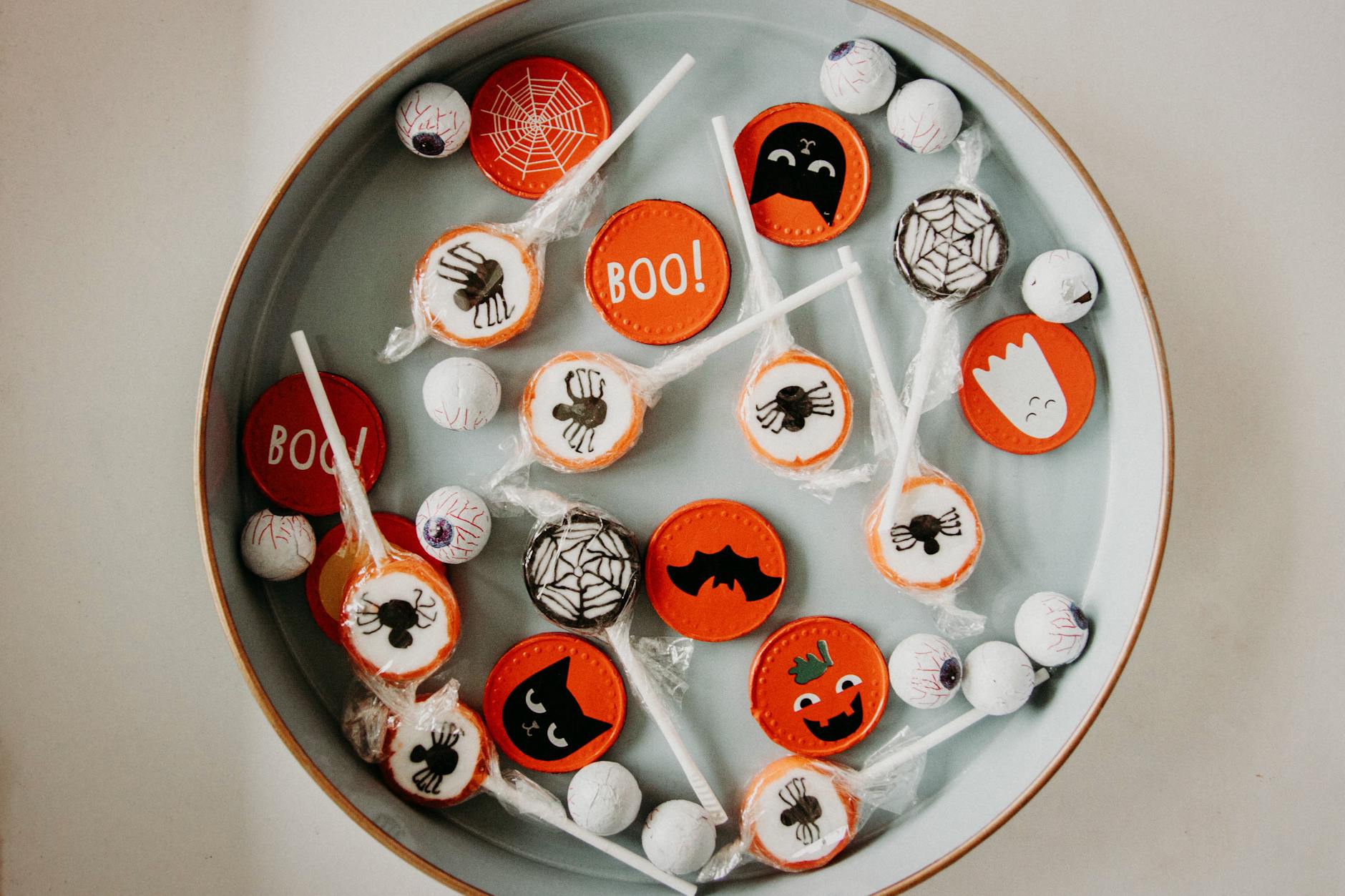
Which Halloween Candy Is Worst for Teeth? A Dentist Ranks It
Clinically reviewed by Dr. Abinaash Kaur, DDS, RCDSO, on 2026-10-19. Dr. Kaur is a general dentist in Toronto (Bloor West Village) registered with the Royal College of Dental Surgeons of Ontario.
The worst Halloween candy for teeth is anything sticky or chewy, with sour candy a close second, because sticky candy clings to teeth and sour candy adds acid on top of the sugar. Hard candy and lollipops come next, and plain chocolate is the kindest thing in the bowl because it clears from your mouth fastest.
My ranking follows the way the Canadian Dental Association sorts Halloween treats. It says sticky and chewy treats "stay on teeth and feed cavity-causing bacteria," while "plain chocolate dissolves quickly, reducing sugar exposure time" (Canadian Dental Association).
Here's the full ranking, why each one lands where it does, and the three habits that matter more than which candy you pick.
Why does the type of candy matter if it's all sugar?
Sugar is the fuel. Time is the damage.
A cavity starts when bacteria in plaque digest sugars from food and drinks, and that "results in an acid that attacks the surface of your tooth" (Government of Canada). The Public Health Agency of Canada adds that the longer and more often food and drinks stay in the mouth, the greater the chance of decay (Government of Canada).
So the question isn't only how much sugar is in a treat. It's how long that sugar sits on your teeth, and whether the treat brings its own acid along. That's the lens for every rank below.
Number 1: Why are sticky and chewy candies the worst?
Caramels, toffee, gummies, taffy, licorice and fruit chews all share one problem. They glue themselves into the grooves of your back teeth and between teeth, where your tongue and saliva can't clear them.
The Canadian Dental Association names gummies, caramels, nougat and dried fruit as treats that stay on teeth and feed cavity-causing bacteria (Canadian Dental Association). The Ontario Dental Association adds a second risk: chewy candies "stick to teeth and can even pull out dental work like fillings" (Ontario Dental Association).
Are you thinking the sour gummy worms belong here too? They do, and they're the worst of both worlds. A sour gummy is sticky and acidic at once, which brings us to number 2.
Number 2: What gives with sour candy?
Sour candy tastes sour because it's coated or filled with acid. The Ontario Dental Association puts it plainly: the acid that makes sour candies tart can also erode enamel (Ontario Dental Association).
How acidic? In one lab study, the sour sweets tested had a pH between 2.30 and 3.14, and all of them were found to be erosive, some more so than orange juice (British Dental Journal via PubMed). A later study of sour novelty sweets, some of them sold in liquid form, measured a pH as low as 1.8, well under the 5.5 level where enamel starts to dissolve (British Dental Journal via PubMed).
The part I find most useful comes from a study that compared regular and sour versions of the same candies. It found sour versions generally did more damage to enamel in the lab, and concluded that saliva "is much less likely to protect against the erosive effects of sour candies" (JADA via PubMed).
Two kinds of damage are happening here. Sugar feeds cavities over time. Acid softens the enamel surface directly, and enamel lost to acid doesn't grow back. Our post on sparkling water versus soda walks through how acid erosion works, and the one on electrolyte powders shows the same problem hiding in a "healthy" drink.
All of these are lab studies on enamel samples, not trials in people. They're still the clearest evidence we have on why sour candy ranks this high.
Number 3: Why are hard candies and lollipops so hard on teeth?
Hard candy is slow. You don't chew it, you dissolve it, which means minutes of steady sugar instead of a few seconds.
The Canadian Dental Association says hard candies and lollipops "soak the teeth in sugar for long periods and may chip teeth" (Canadian Dental Association). The Ontario Dental Association agrees on both counts: they bathe your mouth in sugar for a long time, and they can chip or crack teeth if you bite down on them (Ontario Dental Association).
Have no fear if your kid bites one by accident. One crunch isn't a disaster. The habit to break is the jawbreaker crunched every night for a week, or the lollipop that lasts a whole TV episode.
Number 4: Are chips and salty snacks safe for teeth?
Not quite. Chips aren't sweet, so most people assume they're harmless. The Canadian Dental Association points out that chips, though not sweet, can get stuck in teeth and lead to decay (Canadian Dental Association).
They rank below the candies because they bring no added acid, and they're not designed to linger. Still, a mouthful of chip paste packed into the back teeth is food for the same bacteria.
Number 5: Is chocolate the best Halloween candy for teeth?
Pretty much, yes. Plain chocolate is the friendliest thing in the bag. The Canadian Dental Association says it dissolves quickly, which reduces sugar exposure time (Canadian Dental Association).
The word that matters is plain. A chocolate bar filled with caramel or nougat is a sticky candy wearing a chocolate coat, so it moves back up the list. The Canadian Dental Association also lists powdery candies that dissolve fast as leaving less residue (Canadian Dental Association). Powdery sour candy is still acid, though, so read the label.
Plain chocolate is still sugar. The Ontario Dental Association says to enjoy it in moderation (Ontario Dental Association).
Does sugar-free candy protect your teeth?
Most people think "sugar-free" means "tooth-safe." Here's what happens with a lot of sugar-free candy.
Taking out the sugar removes the cavity fuel. It doesn't remove the acid. A study of 30 sugar-free confections found that 17 of them had high levels of food acids, a low pH and high erosive potential (Australian Dental Journal via PubMed). Ten of those 17 carried messages on the package suggesting they were safe for teeth.
So a sugar-free sour candy is still a sour candy. The label tells you about the sugar, not the acid. If the ingredient list includes citric, malic or another added acid, treat it like the sour candy at number 2.
Sugar-free gum is a different story. The Canadian Dental Association says it boosts saliva flow, helping rinse away sugar after eating (Canadian Dental Association).
What three habits matter more than the candy you pick?
The ranking helps. These habits help more.
1. Eat it with a meal, not all day. The Canadian Dental Association suggests limiting candy to mealtime, when there's more saliva in the mouth to wash sugar away (Canadian Dental Association). The Ontario Dental Association says the same thing: eat sweets at mealtimes rather than between meals (Ontario Dental Association). Ten candies after dinner beat ten candies spread across an afternoon.
2. Water after. The Canadian Dental Association's advice for adults is to rinse your mouth with water after eating something sugary (Canadian Dental Association). The Ontario Dental Association adds cheese and nuts as good partners, since cheese increases saliva, which washes away sugar and acid (Ontario Dental Association).
3. Brush before bed, and don't rush it after sour candy. The mouth makes less saliva during sleep, so the Public Health Agency of Canada says it's even more important to cut sugar before bedtime, and to brush for 2 minutes twice a day, most importantly before bed (Government of Canada).
There's a catch with acid. The Ontario Dental Association advises waiting at least 30 minutes after eating before brushing, when your enamel has re-hardened (Ontario Dental Association). The sour-sweets researchers explain why: brushing right away can scrub off softened enamel, though they note the waiting advice is still being debated (British Dental Journal via PubMed). My practical version: after sour candy, rinse with water, then brush later before bed.
Our older post on snacking smart has more on building snacks that are easier on teeth all year.
What should you do with the whole Halloween haul?
You don't need to throw it out. A few small moves cut the total sugar time without a fight.
The Canadian Dental Association suggests smaller treat bags, so there's less candy to manage, and swapping some treats for toys or fun outings to reduce the stash (Canadian Dental Association). Sorting the bag by this ranking works too. Keep the plain chocolate, and let the sticky and sour stuff go first.
Every year, the first week of November brings candy into the conversation in my chair. In about 25 years of practice in Bloor West Village, I've learned the bag itself is rarely the problem. The pattern I watch for is grazing, a candy here and a candy there from the kitchen counter until mid-November.
Can you eat Halloween candy with braces, aligners or a retainer?
Braces and candy are a rough mix, mostly because of the sticky and hard categories. The Ontario Dental Association warns that hard candy, jawbreakers and lollipops can chip teeth and dislodge braces (Ontario Dental Association). The American Association of Orthodontists says to avoid hard, sticky foods that could break brackets, and foods that get stuck in braces (American Association of Orthodontists).
With braces, plain chocolate is the safest pick, and a rinse with water after any sweet helps. The same orthodontists' group says to rinse your mouth with water after every sugary snack or drink (American Association of Orthodontists).
Clear aligners have a different rule. The American Association of Orthodontists says to remove aligners before eating or drinking anything other than water (American Association of Orthodontists). Candy eaten with trays in holds sugar and acid right against your teeth. Take them out, eat, rinse or brush, then put them back. A removable retainer works the same way. Your orthodontist's instructions for your own case come first.
If your kid plays sports in braces, our post on mouthguards with braces and Invisalign covers that side.
What if you see a white spot after Halloween?
A dull white spot near the gumline can be the earliest sign of decay, before any hole forms, and at that stage it can sometimes be stopped. Did you know about this? Our post on whether a cavity can heal itself explains what can reverse and what can't.
For kids, the deep grooves on the back molars are where sticky candy hides. Our post on dental sealants covers how sealants protect those grooves.
Frequently Asked Questions
Q: What is the worst Halloween candy for your teeth? Sticky and chewy candy, with sour candy close behind. The Canadian Dental Association says sticky treats like gummies and caramels stay on teeth and feed cavity-causing bacteria, and that sour candies contain acids that can wear down enamel (Canadian Dental Association). A sour gummy combines both problems.
Q: Is chocolate bad for your teeth? Plain chocolate is one of the better Halloween choices. The Canadian Dental Association says plain chocolate dissolves quickly, reducing sugar exposure time (Canadian Dental Association). Chocolate filled with caramel or nougat sticks like a chewy candy.
Q: Does sour candy damage enamel? Yes. In a lab study, all the sour sweets tested were erosive, some more so than orange juice, with a pH between 2.30 and 3.14 (British Dental Journal via PubMed). Another study found saliva is much less likely to protect against sour candies than regular ones (JADA via PubMed).
Q: Is sugar-free candy safe for teeth? Not always. In a study of 30 sugar-free confections, 17 had high acid levels and high erosive potential, and 10 of those had packaging suggesting they were safe for teeth (Australian Dental Journal via PubMed). Check the label for added acids.
Q: Should you brush right after eating candy? Not right after sour or acidic candy. The Ontario Dental Association advises waiting at least 30 minutes after eating before brushing, once enamel has re-hardened (Ontario Dental Association). Rinse with water first, and always brush before bed.
Q: What candy is safe with braces? Plain chocolate is the safest bet. The Ontario Dental Association says hard candy, jawbreakers and lollipops can chip teeth and dislodge braces (Ontario Dental Association), and orthodontists advise avoiding hard, sticky foods that could break brackets (American Association of Orthodontists).
Reviewed by Dr. Abinaash Kaur, B.Sc., DDS (University of Toronto Faculty of Dentistry), who has practised general and family dentistry in Bloor West Village for about 25 years. This article is general oral health information, not a diagnosis or a substitute for an examination.
Worried about a sticky spot, a chipped tooth or a loose bracket after Halloween? We're at 750 Annette Street in Bloor West Village, serving the Junction, High Park, and Baby Point. Book a visit with The Village Dentist and we'll take a look and talk through what's in the candy bowl.
