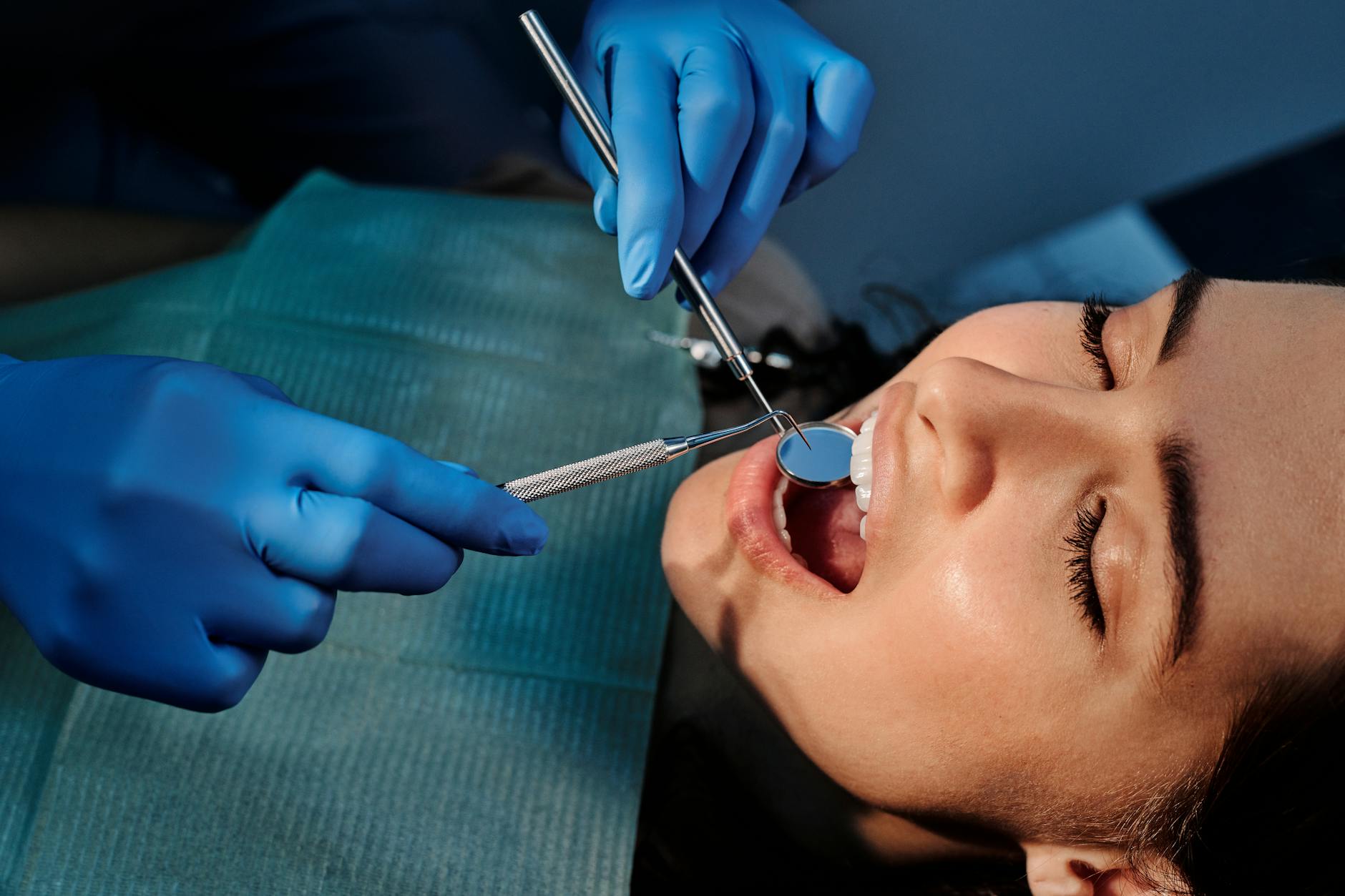
Wisdom Teeth Removal: What You Need to Know
Clinically reviewed by Dr. Abinaash Kaur, DDS, RCDSO, on 2026-07-02. Dr. Kaur is a general dentist in Toronto (Bloor West Village) registered with the Royal College of Dental Surgeons of Ontario.
Wisdom Teeth Removal: What You Need to Know
Wisdom teeth are your third molars, and they usually come in between ages 17 and 21. Not all of them need to come out. Removal makes sense when a tooth is impacted, infected, decayed, or pushing on its neighbours. A healthy wisdom tooth with room to erupt can stay, as long as we keep an eye on it. I get asked about wisdom teeth every week at The Village Dentist on Annette Street. Usually by a nervous student, or by their even more nervous parent. So let me walk you through what these teeth are, when they cause trouble, what removal feels like, and what it costs in Ontario.What Are Wisdom Teeth, and When Do They Show Up?
Wisdom teeth. They are your third molars, the last teeth at the back corners of your mouth. Most people get four, one in each corner, though some get fewer and some get none at all. They usually appear between the ages of 17 and 21, which is why they earned the name: they show up at a more mature age than the rest of your teeth. Some arrive right on schedule. Some are fashionably late. Some stay buried in the jaw for life. Here's where it gets tricky. Your jaw finished most of its growing before these teeth arrived, and it may not have room for them. When a wisdom tooth runs out of space, it gets stuck. We call that impacted.Do All Wisdom Teeth Have to Come Out?
No. Most people think every wisdom tooth has to be pulled. Here's what actually happens: plenty of wisdom teeth come in straight, bite properly against the tooth above or below, and stay clean. Those teeth can stay right where they are. The American Dental Association's guidance matches what I do in practice: wisdom teeth that stay in should be monitored at regular checkups, because problems can still develop later. Removal earns its place when a tooth causes pain, gets infected over and over, develops decay we cannot reach to fix, damages the tooth beside it, or forms a cyst that can damage nearby roots and bone. How do we decide? X-rays. A panoramic X-ray shows me the position of each tooth, the shape of the roots, and how close everything sits to the nerve in your lower jaw. Then we look at it together and talk through the options. Keeping a tooth and watching it is a real plan, not a cop-out.What Does "Impacted" Mean?
Did you know about this? Impacted is not a scary word. It just means stuck. An impacted wisdom tooth cannot erupt into a normal position, so it sits at an angle, lies fully sideways, tilts backward, or stays upright but trapped under bone and gum. This is common. A 2024 review of 98 studies covering more than 180,000 people found that about 37% of people have at least one impacted wisdom tooth, and lower teeth get stuck more often than upper ones because the lower jaw has less room to spare. The partly erupted tooth is the usual troublemaker. A flap of gum sits over part of the crown, food and bacteria collect underneath, and the gum gets swollen and sore. Dentists call that pericoronitis. Patients call it "the back of my mouth is killing me." A fully buried tooth, on the other hand, can sit quietly for decades. We watch those with X-rays and leave them alone unless they cause trouble.What Does the Removal Feel Like, Step by Step?
Nervous about this part? Have no fear! In about 25 years of practice in Bloor West Village I have removed a lot of wisdom teeth, and the dread beforehand is nearly always worse than the appointment itself. Here is the honest play-by-play:- Freezing. Numbing gel goes on the gum first, then the local anesthetic. It's just going to be a little pinch, then the whole area goes numb. This is the only part most patients feel.
- Pressure, not pain. Once you're numb, you will feel pushing, rocking, and some odd noises. Pressure is normal. Sharp pain is not, and if you feel any, you raise a hand and I stop and add more freezing.
- Sectioning, if needed. An impacted or deeply rooted tooth sometimes comes out in small pieces. Sounds intense. You feel vibration, nothing more.
- Closing up. Stitches if the site needs them, gauze to bite on, and clear instructions before you leave.
What Are My Sedation Options?
Wondering if you have to be wide awake for the whole thing? You have choices. The ADA's overview of anesthesia and sedation describes sedation given as a gas you inhale, a pill you take, or medicine given by injection, on top of the local freezing that blocks the pain itself. In plain terms, the ladder looks like this:- Local freezing alone. You are awake and comfortable. This covers most single extractions.
- Inhaled sedation. Laughing gas takes the edge off and wears off quickly, so you can often drive yourself home.
- Oral sedation. A pill beforehand makes you drowsy and relaxed. You will need a ride.
- IV sedation or general anesthesia. For complex impactions or high anxiety, an oral surgeon can do the whole thing while you doze. You remember pretty much nothing.
How Long Does Recovery Take?
It will take around 7 to 10 days to feel like yourself again. Here is how it usually goes for my patients:- Days 1 and 2: the tough ones. Ice packs, soft foods, rest, and pain medication. Keep your head elevated when you lie down.
- Day 3: swelling peaks, then starts to shrink. Bruising can show up along the jaw, then fades.
- The rest of the week: each day is a little easier. Most people are back to normal foods and full activity by the end of it.
What Does Wisdom Tooth Removal Cost in Ontario?
The price depends on the tooth, so I will give it to you straight. A fully erupted tooth is a routine extraction. A tooth buried in bone is a surgical extraction, which takes more time and costs more. Sedation, if you choose it, is billed on top. Ontario dentists set fees with reference to the ODA Suggested Fee Guide, which the Ontario Dental Association publishes each year as a reference for fees that are fair and reasonable for patients and dentists. Your written estimate from us shows exact codes and dollar amounts before anything happens. Most dental insurance plans cover extractions that are medically needed. We submit claims electronically and walk through the numbers with you first, so there are no surprises. If you have no workplace plan, our OHIP and insurance guide explains where provincial coverage begins and ends, and the honest answer is that OHIP covers almost no routine dental care. On the Canadian Dental Care Plan, oral surgery services, including removal of teeth and roots, are covered, with a co-payment based on your adjusted family net income. Sedation under the CDCP requires preauthorization, so we plan that ahead of time. For the full picture, see my posts on what the CDCP covers in 2026 and whether the CDCP covers extractions.What Are the Red Flags After Surgery?
Healing should trend in one direction: better. Call us at (416) 760-0404 if you notice any of these instead.- Pain that gets worse on day 3 or 4 instead of easing. That pattern is the classic sign of dry socket, and we can dress the site and make you comfortable the same day.
- Fever, or swelling that keeps growing after the third day.
- A bad taste or pus from the extraction site.
- Bleeding that will not slow down with firm gauze pressure.
- Numbness in your lip, chin, or tongue that lasts after the freezing should have worn off.
- Trouble swallowing or breathing. That one is not a "wait for the office to open" problem. Go to the emergency department.
Frequently Asked Questions
Q: Do all wisdom teeth need to be removed? No. A wisdom tooth that erupts fully, lines up with its neighbours, and stays clean can be kept. Removal is recommended when a tooth is impacted, repeatedly infected, decayed, damaging the next tooth, or forming a cyst. Teeth that stay in should be checked with X-rays at regular visits, since problems can develop later. Q: How long does recovery take after wisdom teeth removal? It will take around 7 to 10 days for most people. The first two days are the hardest, swelling peaks around day 3, and normal eating usually returns within a week or so. Younger patients tend to bounce back faster, which is one reason removal is often easier in your late teens or twenties. Q: Will I be awake during the extraction? That is up to you. With local freezing alone you are awake but numb, feeling pressure and vibration rather than pain. Options step up from laughing gas to a sedative pill to IV sedation or general anesthesia with an oral surgeon, depending on the tooth and your comfort level. Q: What is dry socket, and how do I avoid it? Dry socket happens when the blood clot in the healing socket breaks down or dislodges, exposing bare bone and causing strong pain a few days after the extraction. It is more common with lower wisdom teeth. Avoid straws, smoking, and forceful spitting for the first few days. If your pain worsens on day 3 or 4 instead of improving, call your dentist. Q: Does the CDCP cover wisdom tooth removal? Yes, the Canadian Dental Care Plan lists oral surgery, including removal of teeth and roots, among its covered services. Your co-payment depends on your adjusted family net income, and sedation requires preauthorization before the appointment. We confirm your exact coverage and give you the numbers before treatment starts. Q: Is it better to have wisdom teeth out sooner or later? Sooner tends to be easier when removal is needed. Roots are shorter and bone is more flexible in your late teens and early twenties, and healing is usually quicker. That said, age alone is not a reason to pull a healthy tooth. The right timing depends on your X-rays and your symptoms, not the calendar. Q: How do I know if my wisdom tooth is impacted? You often cannot tell on your own, which is why we take a panoramic X-ray. Warning signs include pain at the back of your mouth, swollen or tender gum over a partly visible tooth, a bad taste, jaw stiffness, or trouble opening wide. Some impacted teeth cause no symptoms at all and are found only on routine imaging. Q: Does removing wisdom teeth hurt? The procedure itself should not hurt. You will feel a little pinch from the freezing, then pressure and vibration while the tooth comes out. Soreness afterward is real but manageable with medication, ice, and rest, and it fades over the first week.Ready to Talk About Your Wisdom Teeth?
If your back teeth are aching, or you just want to know what your X-ray shows, book a visit and we will look at it together. No pressure toward surgery you do not need. Call The Village Dentist at (416) 760-0404, or drop by our office at 750 Annette St in Bloor West Village.Dr. Abinaash Kaur, B.Sc., DDS (University of Toronto Faculty of Dentistry), has practised at The Village Dentist in Bloor West Village for about 25 years. This post is for general information only. For advice specific to your situation, please book an appointment with us. In pain right now? See how our emergency dentist in Toronto can help, or call the office at (416) 760-0404.
